19 Mandala Style Seamless Patterns: Design Flexibility, Creative Control, and Real-World Use
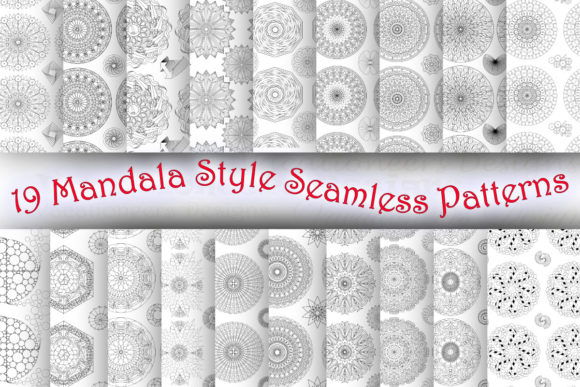
Mandala-inspired design has moved far beyond spiritual symbolism and decorative wall art. Today, it’s a functional asset—especially in digital and print workflows where repetition, scalability, and visual harmony matter. The 19 Mandala Style Seamless Patterns pack responds directly to that shift: it delivers 19 distinct, hand-crafted seamless patterns rooted in mandala geometry—but built for practical application, not just aesthetic appreciation.
What Makes These Patterns Different From Generic Repeating Graphics?
Not all seamless patterns are created equal. Many rely on algorithmic tiling or simplified symmetry that lacks nuance, depth, or cultural resonance. These 19 Mandala Style Seamless Patterns stand apart because each one balances traditional radial structure with modern usability. Every pattern is carefully constructed to repeat invisibly across any surface—whether a website background, a fabric mockup, a presentation slide, or packaging wrap—without visible seams, distortion, or loss of detail at scale.
Crucially, the pack includes two versions of each pattern: one with a transparent background and one with a solid white (or neutral) background. That dual-format approach reflects how real-world creative work happens today—where users toggle between platforms with different export requirements, transparency support, and layering needs. Designers using Figma or Canva benefit from the transparent PNGs; those preparing files for print-on-demand services or quick client previews often prefer the clean, ready-to-place background version.
Why Seamless Mandala Patterns Fit Modern Creative Workflows
Creative professionals no longer treat assets as static deliverables. They expect flexibility, speed, and compatibility. A freelance graphic designer building brand kits for small businesses might need to apply a subtle mandala motif to business cards, email headers, and Instagram story templates—all while maintaining consistent tone and resolution. An educator designing printable mindfulness worksheets wants a calming, non-distracting border that scales cleanly across A4 and letter sizes. A blogger creating themed Pinterest pins needs fast-loading, crisp visuals that don’t blur on mobile.
The 19 Mandala Style Seamless Patterns meet these expectations by prioritizing technical reliability over novelty. Each file is delivered as a high-resolution PNG—no vector formats, no layered PSDs, no subscription dependencies. That simplicity is intentional: it removes friction for users who value clarity and control, not complexity. You download once, use anywhere, and retain full editing freedom without licensing ambiguity or software lock-in.
From Niche Symbolism to Mainstream Visual Language
Fifteen years ago, “mandala” in design contexts often signaled niche wellness branding or New Age aesthetics. Today, its visual language has broadened—thanks to evolving digital tools, global design literacy, and cross-cultural exchange. Radial symmetry, balanced repetition, and intricate yet legible line work now appear in corporate reports (as subtle page dividers), e-learning interfaces (as section headers), and even product packaging for sustainable brands seeking organic, handcrafted authenticity.
This evolution isn’t about diluting meaning—it’s about expanding utility. The patterns in this pack reflect that balance: they honor mandala principles (centered composition, rotational harmony, intentional spacing) without relying on overt religious iconography. That makes them appropriate for secular, professional, and inclusive applications—whether illustrating a mental health app’s loading screen or adding texture to an architectural firm’s proposal deck.
How Users Actually Apply These Patterns—Beyond the Obvious
Most people first think of backgrounds—and yes, these work beautifully as website or slide backgrounds. But their real strength emerges in less obvious uses:
- Layered textures: Overlay a low-opacity mandala pattern on top of photography to soften edges or add quiet rhythm without competing with subject matter.
- Print-ready borders: Use the seamless repeat to generate custom borders for certificates, invitations, or lesson plans—simply tile horizontally or vertically in your layout tool.
- SVG conversion base: Import the PNG into vector software and trace key elements to create scalable icons or custom brush strokes for illustration work.
- Branded merch prototypes: Drop a pattern into a mockup generator to preview how it reads on tote bags, notebooks, or phone cases—no need for custom repeats or developer handoff.
One user recently shared how they applied a floral-mandala hybrid from the set to a series of LinkedIn carousel posts about mindful leadership. Instead of generic stock textures, the pattern added warmth and cohesion across slides—while remaining subtle enough to keep focus on the text and data visuals. That kind of nuanced integration is what separates functional design assets from decorative clutter.
Design Ethics and Practical Ownership
In an era where AI-generated patterns flood marketplaces—and often lack transparency around origin, licensing, or originality—this pack offers something increasingly rare: human-made intentionality. Each of the 19 Mandala Style Seamless Patterns was developed manually, with attention to spacing, contrast, and repetition integrity. There are no hidden watermarks, no usage caps, and no requirement to credit the creator—just clear, straightforward terms: use them in personal or commercial projects, modify as needed, and share internally with your team.
That level of trust matters. Freelancers quoting fixed-price projects can confidently include these patterns without worrying about downstream license checks. Small business owners launching an Etsy shop can apply them across listings, banners, and packaging without legal overhead. Educators building classroom resources know they won’t hit a paywall mid-semester.
Realistic Expectations—and Why That Matters
This isn’t a “magic bullet” pack that promises viral engagement or instant brand recognition. It won’t replace thoughtful typography, strategic color palettes, or audience research. What it does offer is consistency, efficiency, and visual grounding—three things that compound quietly over time. A well-chosen mandala pattern used deliberately across touchpoints builds subconscious familiarity. It signals care in craft—not through loudness, but through quiet repetition and balance.
That said, usability depends on context. A highly detailed mandala pattern may overwhelm small UI elements like buttons or icons. A very light, low-contrast version might vanish on certain screens or printed surfaces. The dual-background format helps mitigate this: try the transparent version first for digital layers; switch to the solid-background variant if you’re placing it over complex imagery or need predictable contrast.
Support That Matches How People Actually Work
The note—“Should you encounter any issues with this pack then please contact me and I will work to resolve them”—isn’t just polite boilerplate. It reflects how independent creators operate today: as responsive collaborators, not faceless vendors. If a file doesn’t open in your preferred software, if metadata interferes with your CMS upload, or if you need guidance adapting a pattern for a specific platform, support isn’t outsourced or automated. It’s direct, human, and solution-oriented.
That responsiveness aligns with broader shifts in buyer expectations. People don’t just want assets—they want confidence that the person behind them understands real constraints: tight deadlines, mixed tech stacks, accessibility considerations, and the occasional unexpected export hiccup. Knowing help is available—and genuinely offered—lowers the barrier to trying something new, whether you’re a seasoned designer or someone just learning to build a Canva presentation.
Final Thought: Tools Should Serve Process, Not Define It
The 19 Mandala Style Seamless Patterns succeed because they stay out of the way. They don’t demand special software, steep learning curves, or rigid workflows. They meet users where they are—whether that’s sketching wireframes in FigJam, prepping Canva templates for a nonprofit newsletter, or building a Shopify theme from scratch. Their value isn’t in being “trendy,” but in being dependable, respectful of time, and quietly versatile. In a landscape crowded with flashy, short-lived digital goods, that kind of grounded utility is becoming harder to find—and more valuable to hold onto.