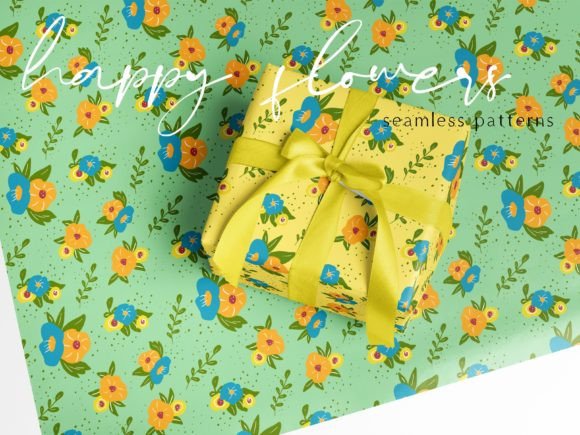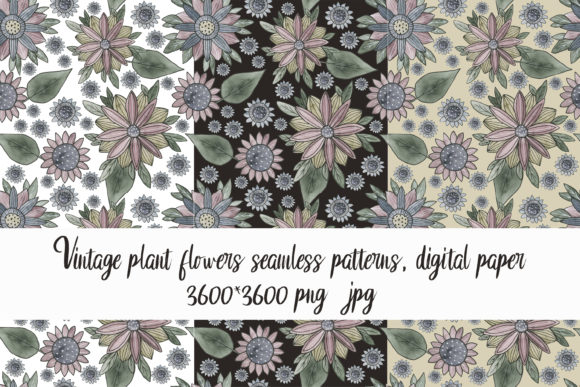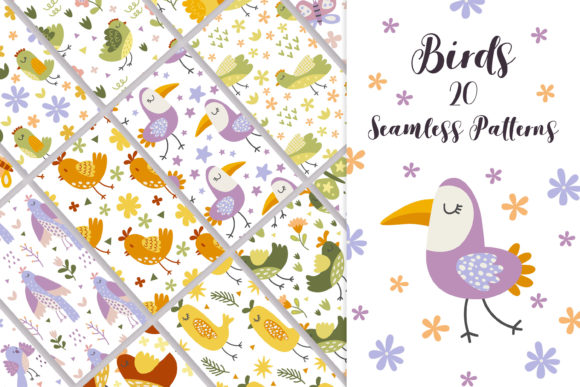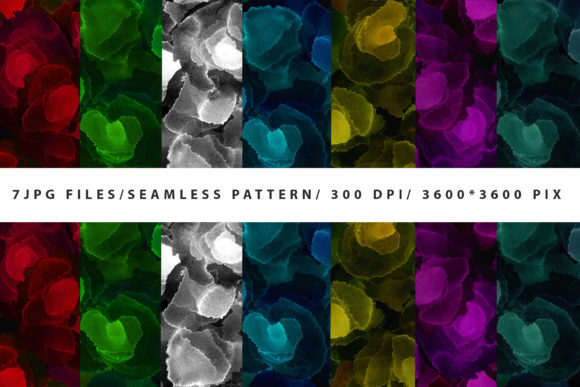
Abstract Flowers Seamless Patterns
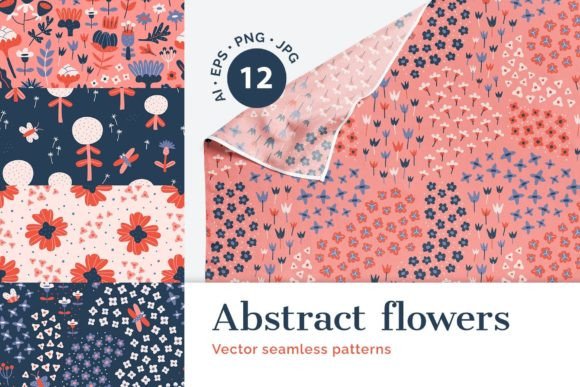
Abstract Flowers Seamless Patterns offer a versatile, professional-grade design resource for anyone who works with visual composition—whether you're printing fabric, building digital invitations, or crafting physical stationery. Unlike literal floral motifs, these patterns reinterpret botanical forms through shape, rhythm, and negative space: think soft watercolor blurs layered with geometric stems, minimalist petal silhouettes arranged in rhythmic repetition, or gestural ink strokes that suggest blossoms without naming them. The abstraction invites interpretation—it’s floral, but not prescriptive; decorative, but never distracting.
Why Seamless Matters—Beyond Aesthetics
A seamless repeat isn’t just a technical detail—it’s functional intelligence built into the design. Each of the 12 patterns aligns precisely at its edges, so when tiled across any surface—be it a 48″ wide fabric bolt or a full-screen website background—the transition disappears. No visible seams, no awkward breaks, no manual editing required. That reliability saves time and preserves visual integrity, especially at scale. For designers working under deadline or hobbyists printing at home, this means confidence: what you see in preview is exactly what prints or displays.
What You Receive—Practical File Flexibility
You get 12 distinct abstract flower patterns, delivered in four essential formats:
- AI and EPS10 files — Fully editable vector sources. Resize infinitely, recolor individual elements, isolate motifs, or adapt spacing for custom repeats.
- JPEG files — High-resolution (4000×4000 px, 300 dpi), ideal for print-ready layouts, scrapbook kits, or direct use in Canva, Photoshop, or Affinity Designer.
- Transparent PNG files — Same resolution and quality, with alpha channels. Perfect for overlaying on photos, creating branded social media templates, or designing layered digital cards where background control matters.
All files are sized at 12×12 inches at 300 dpi—a standard for professional textile and stationery production—and structured to tile cleanly in any direction. No cropping, no guesswork, no post-processing needed.
Creative Applications—From Concept to Craft
These patterns aren’t locked into one use case. Their strength lies in adaptability across mediums and intentions:
For Print Designers & Stationers
Use a muted, tonal pattern as a subtle background for wedding invitations—pair it with clean serif typography and foil accents for quiet elegance. Or select a bolder, high-contrast version for greeting card liners, gift tags, or envelope liners that add cohesion without overwhelming handwritten notes.
For Fabric & Surface Designers
Import the EPS files into textile design software like Adobe Illustrator or Kaledo. Adjust repeat size to match yardage requirements, shift color palettes to suit seasonal collections, or combine two patterns using opacity blending for textured overlays on quilting cotton or wallpaper mockups.
For Educators & Workshop Leaders
Print patterns on cardstock and cut them into puzzle-like tiles for hands-on lessons in symmetry, repetition, and visual rhythm. Use them as prompts for observational drawing—ask students to identify how abstraction simplifies form while retaining botanical essence. They’re low-pressure entry points into design thinking.
For Small Business Owners & Bloggers
Create consistent brand backdrops for Instagram Stories or Pinterest pins—layer transparent PNGs over product photos to unify your feed. Use one pattern as a recurring header graphic across blog posts about creativity, wellness, or slow living. Because each design reads as “floral but not cliché,” it supports tone without dictating mood.
Styling Tips—Keep It Intentional, Not Overdone
Abstract doesn’t mean ambiguous—and seamless doesn’t mean invisible. To keep results clear and audience-friendly:
- Anchor with contrast: Pair a soft, low-saturation pattern with crisp black text or deep navy borders. Avoid placing light-on-light or busy-on-busy combinations.
- Scale wisely: A 12×12” repeat works beautifully on large surfaces (fabric, wall murals) but may feel overwhelming on a business card. Scale down digitally before export—or use the AI file to create a smaller, cropped repeat.
- Test in context: Before finalizing, place your pattern over a real photo or mockup. Does it enhance or compete? Does the rhythm support your message—or distract from it?
- Maintain consistency across touchpoints: If you use Pattern #3 for your email header, consider echoing its dominant hue or line weight in your logo lockup or CTA buttons. Cohesion builds recognition faster than novelty does.
Who Benefits Most—and How
This collection serves creators who value both inspiration and efficiency. Freelance designers use the vector files to build custom client assets without starting from scratch. Scrapbookers appreciate the JPEGs’ plug-and-play readiness for layered digital pages. Entrepreneurs launching eco-conscious stationery lines rely on the transparency and resolution to ensure printed results match their sustainable values—no pixelation, no reprints.
Even if you don’t consider yourself “a designer,” these patterns lower the barrier to thoughtful making. You don’t need advanced software knowledge to open a PNG and drag it into a Google Doc template or PowerPoint slide. What you do need is clarity of purpose—and these patterns give you room to express it without visual noise.
A Note on Originality and Use
Each of the 12 Abstract Flowers Seamless Patterns is original—designed for commercial and personal use without attribution. That means you can sell products made with them (printed notebooks, fabric by the yard, digital planners), license them as part of a larger kit, or use them internally for team presentations. No hidden restrictions. No surprise royalties. Just reliable, rights-cleared creative fuel.
That freedom matters—not as a legal footnote, but as practical breathing room. When you’re balancing client deadlines, family time, or side-hustle momentum, knowing your resources are both flexible and fully licensed reduces friction. It lets you focus on the work that only you can do: shaping ideas into something tangible, meaningful, and true to your voice.