7 Monstera Leaves Vector Patterns
If you’ve ever spent 20 minutes trying to tile a single monstera leaf across a background—only to realize the edges don’t align, the scale feels off, or the file won’t scale without pixelation—you already know why 7 Monstera Leaves Vector Patterns matters. These aren’t just decorative fillers. They’re seamless, editable, Illustrator-ready patterns built for real work: branding projects that need tropical warmth, classroom posters that hold students’ attention, Shopify banners that convert because they *feel* intentional, and DIY planners that look professionally designed—not pieced together from mismatched free downloads.
What You’re Actually Getting (and Why It Saves Time)
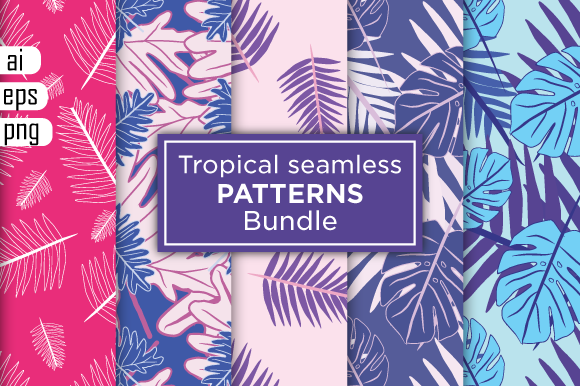
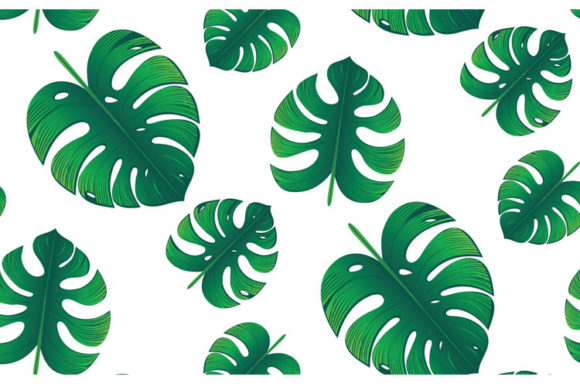
Each of the 7 Monstera Leaves Vector Patterns is a fully layered Adobe Illustrator (.ai) file—no raster elements, no locked groups, no hidden surprises. That means you can change leaf color in one click, adjust stem thickness with the Width Tool, swap out a single leaf for a different shape, or isolate one motif to use as a standalone icon. Unlike JPEG or PNG pattern swatches, these scale infinitely—from a business card to a 6-foot trade show banner—without blurring or re-rendering.
The set includes both tightly clustered arrangements and airy, breathing layouts—some with subtle gradients, others with clean flat fills—so you’re not forced into one “tropical vibe.” One pattern might suit a yoga studio’s email header; another works for a boutique candle label needing negative space for typography. And yes—they’re truly seamless. No visible repeats, no awkward gaps. Just open, recolor, and go.
For Small Business Owners & Product Creators
A ceramicist launching a new line of monstera-print mugs didn’t design her own pattern from scratch. She opened one of the 7 Monstera Leaves Vector Patterns, changed the leaves from forest green to sage, adjusted spacing so the repeat matched her mug’s curvature, and sent it straight to her print-on-demand partner. Same week, a small-batch soap maker used a lighter, more delicate version as a watermark on her Instagram product photos—subtle enough not to distract, strong enough to reinforce brand identity.
For Educators & Content Creators
A middle school science teacher needed a visually engaging backdrop for her plant biology slideshow. Instead of hunting for copyright-safe images or risking low-res downloads, she dropped a 7 Monstera Leaves Vector Pattern into her Google Slides template (after pasting as SVG), reduced opacity to 15%, and kept all text fully legible. A freelance Canva designer uses the same files as base layers for client social media kits—customizing colors per brand, then exporting individual motifs as stickers or dividers.
For Marketers & Bloggers
When a wellness blog refreshed its Pinterest pins, their designer pulled three of the 7 Monstera Leaves Vector Patterns to create cohesive but distinct templates: one for “Morning Routine” posts (lush, saturated greens), one for “Plant Care Tips” (muted tones with visible leaf veins), and one for seasonal promos (leaves overlaid with soft gold foil texture). Because all are vector-based, resizing for Pinterest’s vertical format or Instagram Stories took seconds—not hours.
For Hobbyists & Everyday Makers
A parent making personalized birthday invitations for her daughter’s jungle-themed party used one pattern as wrapping paper (printed on kraft stock), another as a cut file for vinyl decals on party cups, and a third as a repeating border in Cricut Design Space. No design degree required—just basic familiarity with layers and the Eyedropper Tool.
Floral Patterns with Big Tropical Monstera Leaves: A Different Kind of Impact
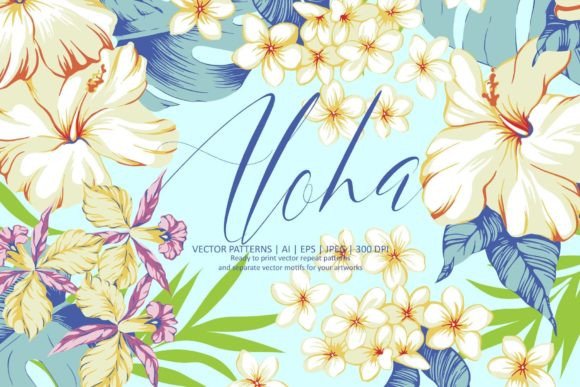
The companion set—7 Floral Patterns with Big Tropical Monstera Leaves—isn’t just “more leaves.” These integrate blossoms, vines, or abstract botanical flourishes *around* oversized monstera forms. Think: a bold monstera leaf anchoring the bottom corner while trailing jasmine wraps upward, or hibiscus blooms peeking through perforated leaf edges. These work where pure leaf patterns feel too repetitive—like fabric mockups for swimwear lines, wedding stationery with organic elegance, or packaging for cold-pressed juice brands wanting freshness + sophistication.
What to Consider Before You Use Them
Know your output medium. If you’re prepping for embroidery digitizing or laser-cut wood, simplify paths first—remove tiny gradients or overlapping strokes that may confuse machines. For web use, export as SVG and run it through a minifier; for large-format print, double-check bleed settings in Illustrator before handing off to your printer.
Match scale to context. A dense, tightly spaced pattern looks rich on a tote bag but overwhelms a mobile app icon. Try scaling the pattern up 200% before applying it to small UI elements—or down to 40% for subtle textile-like texture behind body copy.
Respect color psychology—and accessibility. Deep emerald monstera patterns read as grounded and natural; bright lime versions energize but can fatigue readers in long-form layouts. Always test contrast ratios if text overlays the pattern—especially for educators creating accessible handouts or marketers designing ADA-compliant landing pages.
Don’t assume “seamless” means “invisible.” Some patterns shine when repeated visibly (wallpaper, fabric); others work best when scaled large and cropped tightly (book covers, presentation headers). Zoom out. Print a test tile. Ask yourself: does this support the message—or compete with it?
Who Benefits Most—and How It Fits Their Workflow
- Freelancers use the 7 Monstera Leaves Vector Patterns as speed-builders—keeping branded pattern variants pre-saved for clients in different industries (e.g., spa = soft mint + cream; fitness = teal + coral).
- Educators treat them like reusable visual vocabulary—inserting consistent botanical motifs across worksheets, rubrics, and digital quizzes to reduce cognitive load for learners.
- Bloggers batch-create seasonal graphics: swap one color palette across all seven patterns to unify Q3 content around “back-to-school greenery” or “monsoon season refresh.”
- Small manufacturers rely on the vector precision for accurate die-lines, ensuring printed patterns align perfectly across product variations—from coaster sets to linen napkins.
You don’t need to be an Illustrator power user to benefit—but knowing how to unlock these files makes all the difference. A five-minute exploration of the Layers panel reveals which group controls leaf density, which holds stem outlines, and which stores alternate vein textures. That’s not just convenience. It’s creative control, handed to you—ready to adapt, not replace, your voice.